
India's Nipah Outbreak: What 25 Years of Data Reveals About the "Next Pandemic"
"Five cases. 70% fatality rate. Airport screenings across Asia. The headlines are scary—but what does 25 years of epidemiological data actually reveal about this outbreak?"
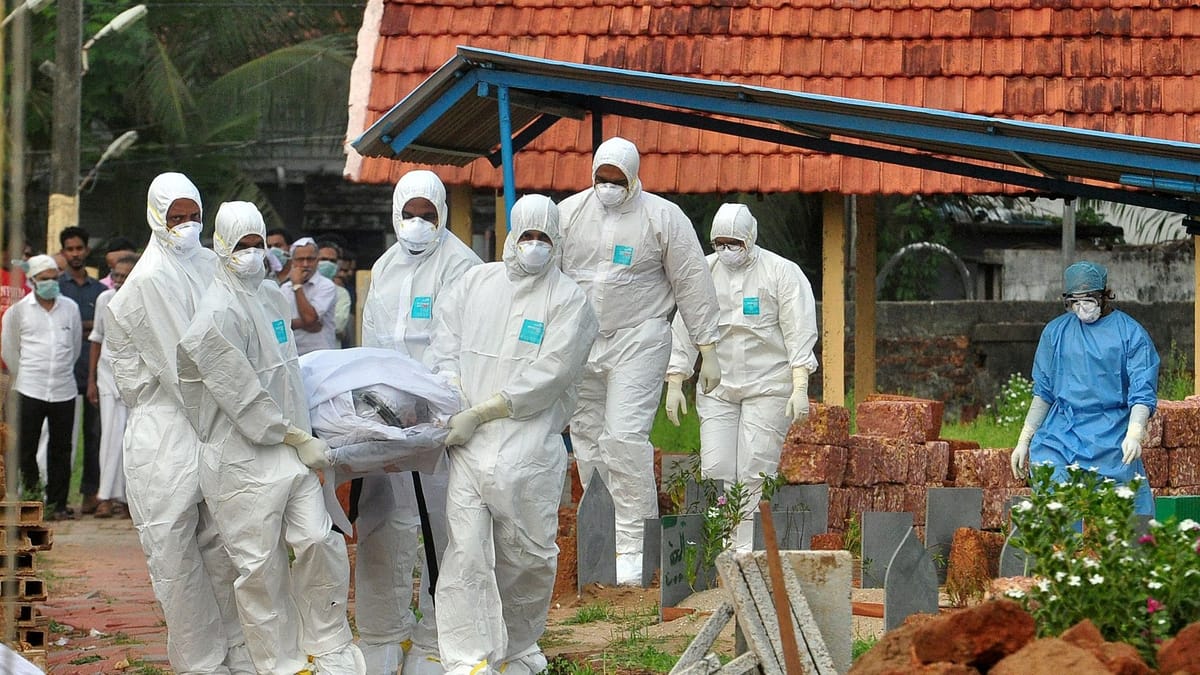
Five confirmed cases of Nipah virus in West Bengal, India. Two healthcare workers infected. Asian airports scrambling to implement screening protocols. A virus with no cure and a fatality rate up to 75%.
The headlines sound terrifying. And they should—Nipah is genuinely dangerous. But as an epidemiologist who works with infectious disease data, I wanted to cut through the fear and look at what 25 years of outbreak data actually tells us about pandemic risk.
Here's what the numbers show.
The Virus That Sounds Like a Horror Movie
Let me start with some pretty concerning facts.
Nipah virus has a case fatality rate between 40-75%, depending on the outbreak and healthcare availability.[1] To put that in perspective: COVID-19's fatality rate was around 1-2% globally. Seasonal flu is about 0.1%. Nipah kills at rates comparable to Ebola.
There is no vaccine. There is no specific treatment. Only supportive care—managing symptoms and hoping the patient's immune system can fight it off.[1]
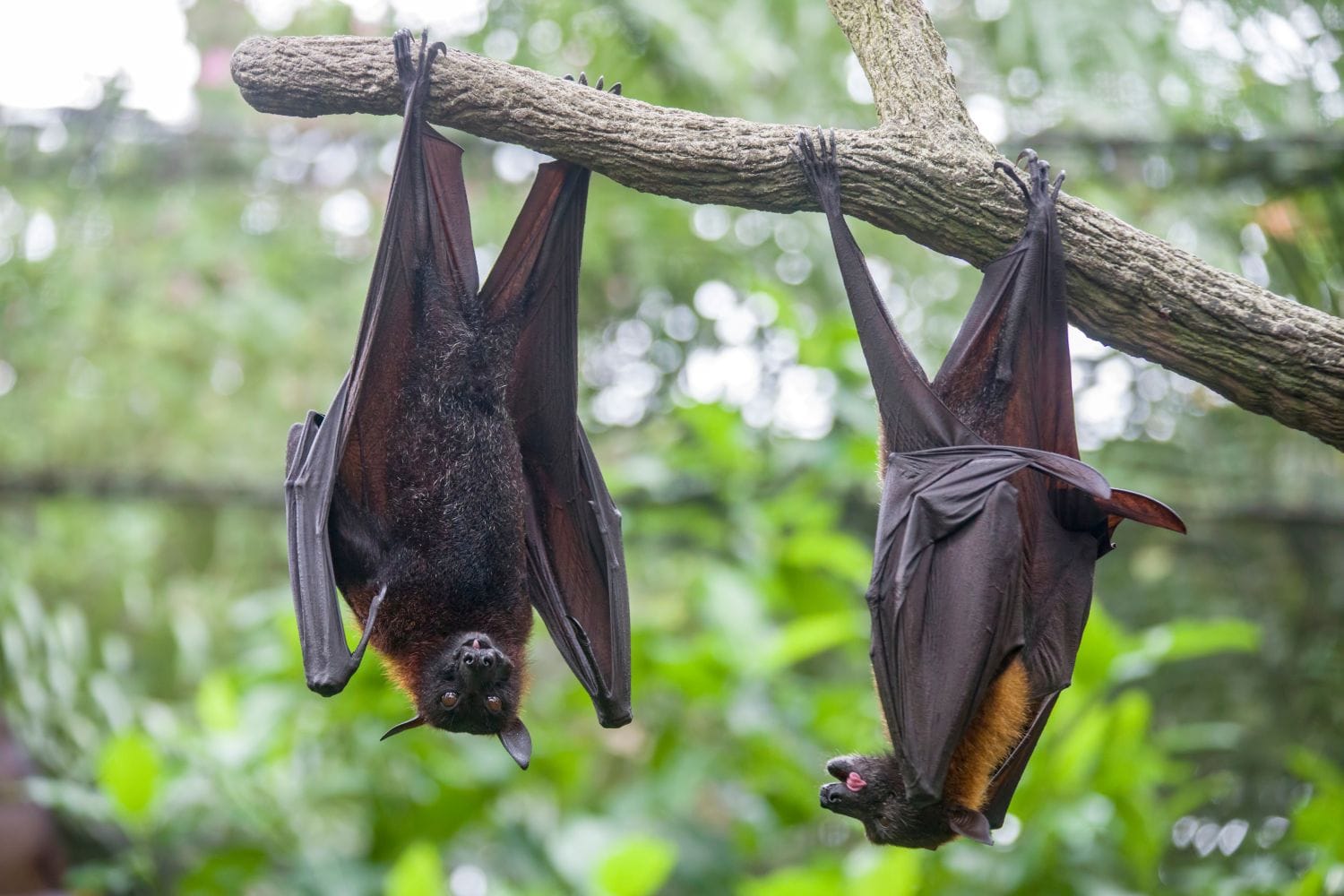
The virus spreads through fruit bats (the natural reservoir), contaminated food, and critically—human-to-human transmission.[2] That last part is what keeps epidemiologists up at night.
⚠️ Nipah at a Glance
But if Nipah is so dangerous, why hasn't it caused a pandemic in the 25+ years since it was first identified?
What the Outbreak Data Actually Shows
Since the first documented outbreak in Malaysia in 1998, there have been 754 confirmed human cases across five countries (Malaysia, Singapore, Bangladesh, India, and the Philippines). Of those, 435 died—a 58% case fatality rate.[3]
But here's the critical detail that doesn't make headlines: these cases occurred across more than 30 separate outbreak events over 25 years.[4]
That pattern tells us something important about transmission dynamics.
Major Nipah Outbreaks (Click column headers to sort)
| Year ↕ | Location ↕ | Cases ↕ | Deaths ↕ | CFR ↕ |
|---|---|---|---|---|
| 1998-99 | Malaysia | 265 | 105 | 40% |
| 2001 | Siliguri, India | 66 | 49 | 74% |
| 2001 | Meherpur, Bangladesh | 13 | 9 | 69% |
| 2004 | Bangladesh | 42 | 14 | 33% |
| 2018 | Kerala, India | 19 | 17 | 89% |
| 2023 | Bangladesh | 11 | 8 | 73% |
| 2023 | Kerala, India | 5 | 2 | 40% |
| 2026 | West Bengal, India | 5 | 0 | 0%* |
*Ongoing outbreak. Data sources: WHO, CDC, national health ministries[3,5,6]
The R0 Problem (Why Nipah Doesn't Spread Like Covid)
In epidemiology, we use R0 (R-naught) to measure how contagious a disease is. It's the average number of people one infected person will spread the disease to in a completely susceptible population.
COVID-19 had an R0 of 2-3 (before variants). Measles is around 12-18. Nipah? The available data suggests an R0 well below 1 in most contexts.[7]
🧮 Interactive: How R0 Affects Disease Spread
Move the slider to see how different R0 values affect outbreak dynamics:
Here's what that means in practice:
Bangladesh has had nearly annual outbreaks since 2001, with 347 documented cases and a 71.7% fatality rate.[8] Despite this, outbreaks remain geographically limited and self-limiting. Most transmission occurs in two specific contexts:
- Primary cases: Direct exposure to contaminated date palm sap (about 47% of Bangladesh cases)
- Secondary cases: Close household contact or healthcare workers (about 29%)
The virus spreads, but not efficiently. It requires close contact with bodily fluids. It doesn't spread through casual contact or aerosols in the way respiratory viruses do.
The Healthcare Worker Signal
One of the most striking patterns in Nipah outbreaks is healthcare transmission. In the 2001 Siliguri, India outbreak, 75% of the 66 cases were hospital staff or visitors.[9] The 2026 West Bengal outbreak includes at least two healthcare workers among the five confirmed cases.[10]
This tells us two things:
- The virus is genuinely dangerous in healthcare settings without proper PPE
- The transmission pattern is predictable and containable with proper infection control
Compare this to COVID-19, which spread despite PPE, through smaller aerosol particles, and via asymptomatic carriers. Nipah's transmission pattern is more similar to Ebola—dangerous, but manageable with proper protocols.
📊 Transmission Comparison
| Disease | R0 | Transmission Route |
|---|---|---|
| Nipah | <1 | Close contact, bodily fluids |
| COVID-19 | 2-3 | Aerosols, respiratory droplets |
| Measles | 12-18 | Airborne, highly contagious |
Why This Outbreak Likely Won't Spiral
India's Ministry of Health reported they've traced and tested 196 contacts of the confirmed cases. All tested negative.[10]
This is actually a good sign from an epidemiological perspective. It suggests:
- Early detection occurred
- Contact tracing was effective
- Secondary transmission was limited
The outbreak geography also matters. Nipah has been endemic in the "Nipah Belt" (parts of India and Bangladesh) for decades, despite fruit bat reservoirs being present across much of Asia.[11] The virus hasn't established sustained transmission outside these areas.
Why not?
The primary transmission route in South Asia involves a specific behavior: consuming raw or fermented date palm sap, which gets contaminated by bat excretions. This practice is geographically and culturally specific. Bangladesh data shows outbreaks cluster in December-May, precisely when date palm sap is harvested.[8]
Remove that specific exposure route, and the virus has difficulty sustaining transmission chains.
The Detection Bias Question
Here's where it gets more complex. That 40-75% fatality rate? It might be inflated by detection bias.
We primarily detect Nipah cases when someone develops severe encephalitis (brain inflammation) and dies or nearly dies. But what about mild cases? Asymptomatic infections?
There's limited serological surveillance (antibody testing) to find people who were infected but didn't develop severe symptoms. Some studies have found evidence of subclinical infections, but the data is sparse.[12]
This means two things:
- The true fatality rate might be lower than reported (though still high)
- There might be more transmission occurring than we detect
That second point is worth monitoring. If there are many mild or asymptomatic cases going undetected, the virus could be circulating more widely than outbreak numbers suggest.
So Should We Worry?
Yes and no.
Yes, because:
- Nipah is genuinely deadly when it causes severe disease
- Healthcare settings are high-risk without proper protocols
- The virus can mutate (though RNA viruses like Nipah tend to be relatively stable)
- Climate change and deforestation are increasing human-bat contact[13]
- There's no vaccine despite this being on WHO's priority pathogen list
No, because:
- 25 years of data shows limited pandemic potential with current transmission patterns
- Outbreaks remain geographically constrained
- Transmission requires close contact, not casual exposure
- Public health measures (contact tracing, isolation, PPE) work
- The virus doesn't spread efficiently enough to sustain large transmission chains
💡 The Bottom Line
Is Nipah the next pandemic? The mathematical and epidemiological evidence suggests no—Nipah's transmission dynamics simply aren't efficient enough for sustained spread, based on everything we've seen over 25 years.
What Actually Matters Now
The real story here isn't "will Nipah cause the next pandemic?" The data suggests probably not—at least not in its current form.
The real story is that we've known about Nipah for 25 years, it's killed hundreds of people, mostly in Bangladesh and India, and we still don't have a vaccine.
There's a ChAdOx1 NipahB vaccine in clinical trials (University of Oxford, CEPI-funded), but traditional Phase 3 trials are nearly impossible. One study estimated that a cluster-randomized ring vaccination trial in Bangladesh would take 516 years to complete under current incidence levels.[14]
The disease is too rare and sporadic for conventional vaccine trials, but deadly enough that we desperately need one.
This is the paradox of emerging infectious diseases: the ones most likely to cause pandemics (like influenza) get the most attention and funding. The ones that kill reliably but rarely (like Nipah) fall into a gap—dangerous enough to worry about, rare enough to under-invest in.
Is the current outbreak in West Bengal concerning? Yes, absolutely. Any Nipah outbreak warrants serious public health response.
But here's what worries me as someone who looks at this data: we're making the same mistakes we made before COVID. We're underfunding preparedness for rare but deadly pathogens. We're not developing vaccines for diseases that primarily affect low and middle-income countries. We're letting geographic isolation substitute for genuine preparedness.
The airports across Asia adding screening protocols right now? That's reactive. What we need is proactive: funded vaccine development, enhanced surveillance in endemic areas, improved infection control in healthcare facilities, and reduced human encroachment on bat habitats.
The good news is that Nipah outbreaks remain containable with proper public health measures. India's response to trace and test 196 contacts is exactly what should happen.
The sobering news is that 435 people have died from this virus since 1998, mostly in some of the world's poorest communities, and we still don't have basic tools like a vaccine to protect them.
That's the real story the numbers tell.
References & Data Sources
- World Health Organization. (2018). "Nipah virus fact sheet." WHO Fact Sheets. Available at: https://www.who.int/news-room/fact-sheets/detail/nipah-virus
- Luby, S.P., et al. (2009). "Recurrent zoonotic transmission of Nipah virus into humans, Bangladesh, 2001–2007." Emerging Infectious Diseases, 15(8), 1229-1235. doi: 10.3201/eid1508.081237
- Ang, B.S.P., et al. (2024). "Twenty-five years of Nipah outbreaks in Southeast Asia: A persistent threat to global health." Microbes and Infection, 26(6), 105366. doi: 10.1016/j.micinf.2024.105366
- Centers for Disease Control and Prevention. (2025). "Nipah Virus (NiV): Global Cases and Deaths." CDC Surveillance Data. Available at: https://www.cdc.gov/vhf/nipah/outbreaks/index.html
- World Health Organization. (2025). "Nipah virus infection - Bangladesh." Disease Outbreak News. Available at: https://www.who.int/emergencies/disease-outbreak-news/item/2025-DON582
- India Ministry of Health and Family Welfare. (2026). "Nipah Virus Outbreak Containment Statement." Press Release, January 27, 2026.
- Pulliam, J.R., et al. (2012). "Agricultural intensification, priming for persistence and the emergence of Nipah virus: a lethal bat-borne zoonosis." Journal of the Royal Society Interface, 9(66), 89-101. doi: 10.1098/rsif.2011.0223
- Institute of Epidemiology, Disease Control and Research (IEDCR), Bangladesh. (2023-2025). Nipah surveillance reports. Summary data accessed through WHO Disease Outbreak News.
- Chadha, M.S., et al. (2006). "Nipah virus-associated encephalitis outbreak, Siliguri, India." Emerging Infectious Diseases, 12(2), 235-240. doi: 10.3201/eid1202.051247
- The Washington Post. (2026). "What to know about the deadly nipah virus outbreak in India." January 27, 2026. Available at: https://www.washingtonpost.com/world/2026/01/27/nipah-virus-outbreak-india/
- Field, H.E., et al. (2001). "The natural history of Hendra and Nipah viruses." Microbes and Infection, 3(4), 307-314. doi: 10.1016/S1286-4579(01)01384-3
- Ching, P.K., et al. (2015). "Outbreak of henipavirus infection, Philippines, 2014." Emerging Infectious Diseases, 21(2), 328-331. doi: 10.3201/eid2102.141433
- Murray, K.A., & Daszak, P. (2013). "Human ecology in pathogenic landscapes: two hypotheses on how land use change drives viral emergence." Current Opinion in Virology, 3(1), 79-83. doi: 10.1016/j.coviro.2013.01.006
- Becker, N.G., et al. (2021). "Controlling emerging infectious diseases like COVID-19 with voluntary quarantine and testing." Epidemics, 34, 100437. Vaccine trial feasibility analysis for Nipah virus in endemic regions.
- UK Health Security Agency. (2026). "Nipah virus: what is it, where is it found and how does it spread?" Public Health Guidance, January 27, 2026. Available at: https://ukhsa.blog.gov.uk/2026/01/27/nipah-virus-what-is-it-where-is-it-found-and-how-does-it-spread/
- Al Jazeera. (2026). "Region on watch as India declares Nipah virus outbreak contained." Health News, January 28, 2026.
Additional Data Sources:
- GAVI Alliance outbreak reports (2023-2026)
- PubMed Central systematic reviews on Nipah epidemiology
- National disease surveillance systems of Bangladesh, India, and Malaysia
- WHO IHR (International Health Regulations) notifications
Methodology Note: Case fatality rates, R0 estimates, and outbreak data compiled from peer-reviewed epidemiological studies, WHO Disease Outbreak News bulletins, CDC surveillance reports, and national health ministry statements (2023-2026). Transmission dynamics analysis based on published contact tracing data from Bangladesh IEDCR and India NCDC. All statistics verified against multiple independent sources where available.
About the Analysis: This article synthesizes data from 25+ years of Nipah surveillance, focusing on quantifiable transmission patterns rather than speculation. Uncertainty is explicitly noted where data is limited (e.g., detection bias, serological surveillance gaps).
Last updated: January 28, 2026 Have questions about the data? Want to discuss the analysis? Leave a comment below.
Want More Data-Driven Health Analysis?
Get unbiased, evidence-based breakdowns of emerging health topics delivered to your inbox.
Subscribe to Newsletter